
1. Introduction
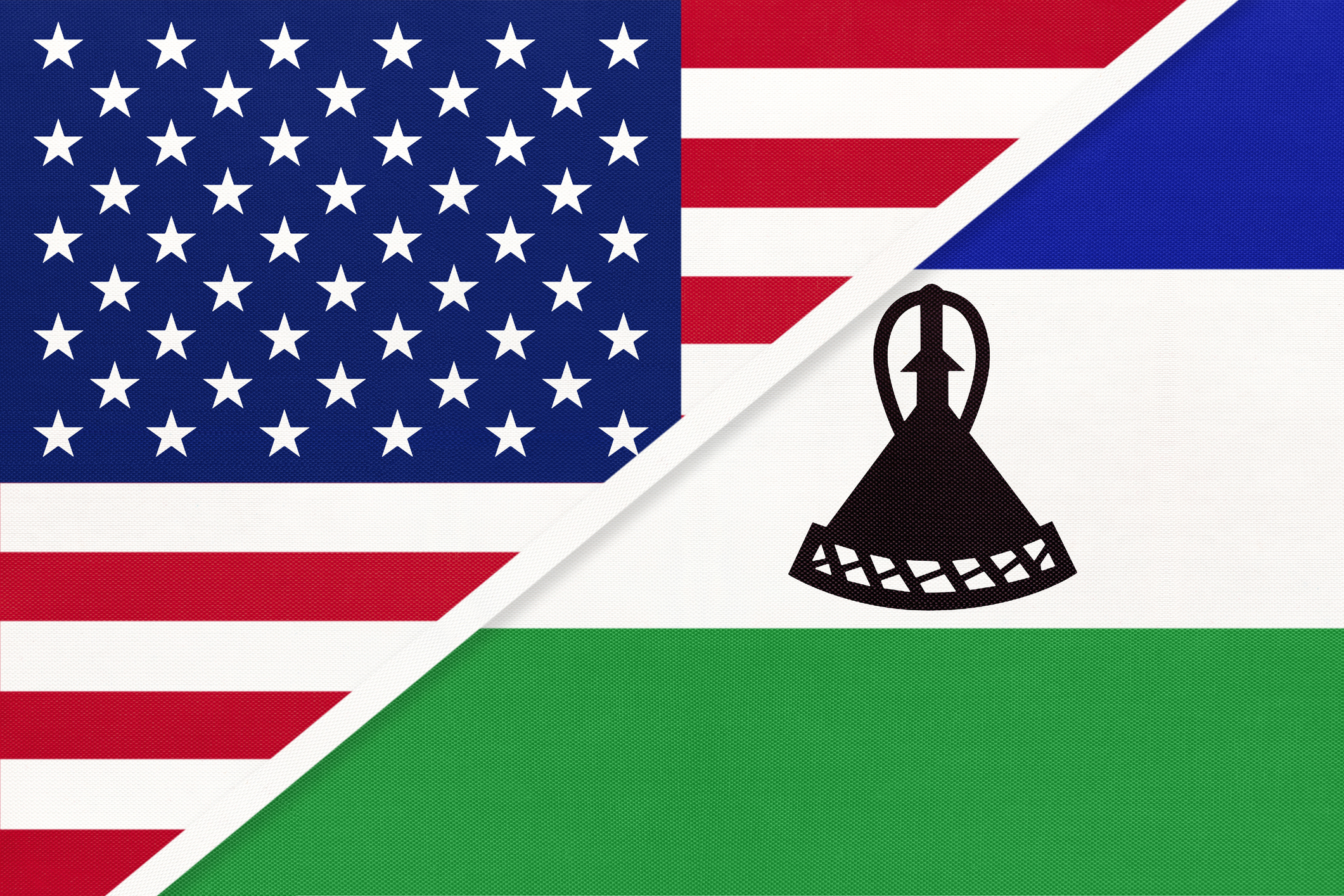
Only months after former United States President Donald Trump publicly dismissed Lesotho as a country “nobody has ever heard of” while defending sweeping cuts to global humanitarian aid, the United States has executed a striking diplomatic and policy reversal. In Maseru, the U.S. Embassy’s Chargé d’Affaires, Mr Tom Hines, and Lesotho’s Minister of Finance and Development Planning, Dr Retšelisitse Matlanyane, signed a five-year bilateral health cooperation Memorandum of Understanding (MOU) committing approximately USD 364 million (about M6.143 billion) toward strengthening Lesotho’s health system.
Beyond its political symbolism, the agreement raises important legal and governance questions concerning aid architecture, state sovereignty, health-sector ownership, conditionality, and the evolving model of international development cooperation. This article analyses the legal and policy significance of the MOU within the broader context of Lesotho’s constitutional obligations, international health law, and shifting United States global health strategy.
2. The Structure and Legal Nature of the MOU
The 2025–2030 MOU provides for a total investment of USD 364 million, comprised of USD 232 million from the United States and USD 132 million from the Government of Lesotho. While not a treaty requiring parliamentary ratification, the MOU constitutes a binding executive instrument that structures intergovernmental cooperation, allocates fiscal commitments, and establishes measurable performance obligations.
In public international law terms, such MOUs operate as soft law instruments: they lack the formal status of treaties but generate legitimate expectations, guide administrative conduct, and influence domestic policy priorities. In Lesotho’s context, the agreement intersects directly with constitutional duties under section 27 of the Constitution to progressively realise access to health care and protect life and dignity.
3. From Aid Dependency to Health Sovereignty
A notable feature of the MOU is its explicit policy objective: the gradual transition of Lesotho to full ownership of its HIV/AIDS response. This marks a deliberate shift away from donor-driven, NGO-heavy models that have historically characterised international health assistance in sub-Saharan Africa.
For nearly two decades, U.S. support, primarily through the President’s Emergency Plan for AIDS Relief (PEPFAR), has underwritten Lesotho’s HIV response, funding antiretroviral therapy, laboratory capacity, prevention programmes, and workforce training. While extraordinarily successful, this model has also raised longstanding concerns about sustainability, fiscal dependence, and parallel systems operating outside domestic public administration.
The new MOU reframes assistance as a capacity-transfer and system-strengthening exercise, with Lesotho assuming increasing leadership in policy, budgeting, surveillance, and service delivery. Legally, this aligns with principles of subsidiarity and national ownership endorsed in international development frameworks such as the Paris Declaration on Aid Effectiveness and the Sustainable Development Goals.
4. Lesotho’s 97–97–99 Achievement and Its Legal Implications
Lesotho’s attainment of the 97–97–99 HIV epidemic control targets, surpassing the global 95–95–95 benchmark, places it among a small cohort of countries worldwide to achieve this outcome. This success has legal as well as policy consequences.
First, it strengthens Lesotho’s position in negotiating future donor arrangements, shifting it from a recipient of emergency humanitarian aid to a partner in strategic health cooperation. Secondly, it imposes heightened domestic accountability obligations: once epidemic control is achieved, failure to sustain treatment access, surveillance, and prevention could expose the state to constitutional and administrative law challenges grounded in the right to health and reasonable government action.
The MOU’s emphasis on disease surveillance, outbreak response, maternal and child health, and health workforce development reflects this legal reality: sustaining gains is no longer optional but a governance imperative.
5. Conditionality, Commercial Interests, and the “America First” Lens
The United States has been candid that the MOU also advances American commercial interests, including health-related technologies such as satellite connectivity for clinics, digital health systems, and advanced medical logistics. This reflects the evolving “America First Global Health Strategy,” which seeks to eliminate what it terms “dependency, ideology, and waste” while aligning aid with strategic economic objectives.
From a legal-policy perspective, this raises familiar but increasingly explicit questions about aid conditionality. While the agreement does not impose overt political conditions, the integration of commercial cooperation blurs the traditional boundary between development assistance and trade promotion.
For Lesotho, the challenge lies in ensuring that procurement, technology adoption, and public–private partnerships arising from the MOU comply with domestic public finance law, procurement regulations, and competition principles, while genuinely serving public health objectives rather than entrenching new forms of dependency.
6. Governance, Accountability, and Measurable Outcomes
Unlike earlier aid frameworks, the MOU is described as “anchored in clear, measurable goals.” This language signals a shift toward results-based governance, with implications for administrative accountability within Lesotho’s Ministry of Health and related institutions.
Legally, measurable targets create benchmarks against which governmental performance may be assessed, not only by donors, but potentially by Parliament, oversight bodies, and civil society. As Lesotho assumes greater control of funding flows and programme design, failures can no longer be attributed to external partners. This enhances sovereignty, but also intensifies domestic legal responsibility.
7. Conclusion: A Turning Point in Health Cooperation
The 2025–2030 U.S Lesotho Health Cooperation MOU represents more than a funding agreement. It marks a transition in how international health assistance is conceived, governed, and justified. For Lesotho, it symbolises a move from donor dependency to health sovereignty, grounded in demonstrable success and institutional maturity.
For the United States, the agreement reflects a recalibrated global health strategy, one that blends humanitarian objectives with strategic, commercial, and geopolitical considerations. For lawyers and policymakers, the MOU offers a compelling case study in how soft law instruments can reshape domestic governance, redefine accountability, and recalibrate the legal relationship between aid, sovereignty, and development.
In a striking reversal of rhetoric, a country once invoked as a political punchline has become a priority partner, illustrating how legal structures, sustained policy commitment, and institutional capacity can transform international relationships in ways that are both pragmatic and profound.